North Carolina's year's allowance gives a surviving spouse a $60,000 statutory floor, and the amount can rise above that when the decedent's recent income supports a larger award. For a grieving spouse staring at bills, that is often the first real source of breathing room the law provides.
The hard part is that the allowance is not automatic, and it does not work like a simple inheritance check. It sits inside probate, follows North Carolina's estate rules, and can interact with the elective share, intestate rights, filing deadlines, and the value of the decedent's personal property. If you're trying to sort out what you can claim, the right place to start is with what the law protects, not with rumors from family or assumptions based on the will.
What the Year's Allowance Means for a Surviving Spouse in NC
A lot of widowed spouses reach the same point in the day. The mailbox is full, the paperwork is spread across the kitchen table, and nothing feels organized enough to trust. North Carolina's year's allowance exists for that exact moment, because the law recognizes that a spouse still needs support while the estate is being settled.
The allowance is a statutory support right, not a favor from the estate and not a discretionary gift from the executor. It gives the surviving spouse a protected claim for one year after death, and that protection comes before many other estate claims are paid. In plain language, it is the law's way of saying the surviving spouse should not have to wait at the back of the line for basic support.
That matters because probate can move slowly. Assets have to be identified, creditors may make claims, and the family may be arguing about the will or the distribution plan. The year's allowance gives the spouse a separate path to financial relief during that process.
Practical rule: if you're newly widowed in North Carolina, the year's allowance is usually one of the first probate questions worth asking, because it can change what the estate must reserve before anyone else is paid.
For readers searching year's allowance surviving spouse nc, the core idea is simple. This is a statutory protection tied to support, not a windfall, and it is designed to keep a surviving spouse from being left without help during estate administration.
The Legal Foundation Behind the Year's Allowance
North Carolina's year's allowance comes from N.C. Gen. Stat. Chapter 30, Article 4, and the statute frames the award as support for one year after death. That wording matters. It tells you the allowance is meant to cover immediate living needs, not to act like a typical debt claim or a negotiated settlement with heirs.
The source of the money also matters. The allowance is taken from the decedent's personal property, not from real estate. In everyday terms, personal property is the movable and financial part of an estate, while real estate is land and houses. If a family is trying to understand whether the spouse can reach a home through this allowance, the answer is no, because the statute points to personal property.
A useful way to think about it is this, the allowance is a priority support right built into probate administration. It is not the same thing as a creditor bill. It also sits near the top of the estate-claim ladder, which is why it can be so important when an estate is tight on liquidity.
The same legal framework also sits alongside other North Carolina spousal rights, including intestate succession and the elective share. For a plain-language comparison of how intestacy works, see North Carolina intestate succession. For families who are also comparing child-support worksheet concepts from another area of law, North Carolina Child Support Guidelines Explained uses the Worksheet system, which is a reminder that North Carolina often relies on structured formulas rather than guesswork.
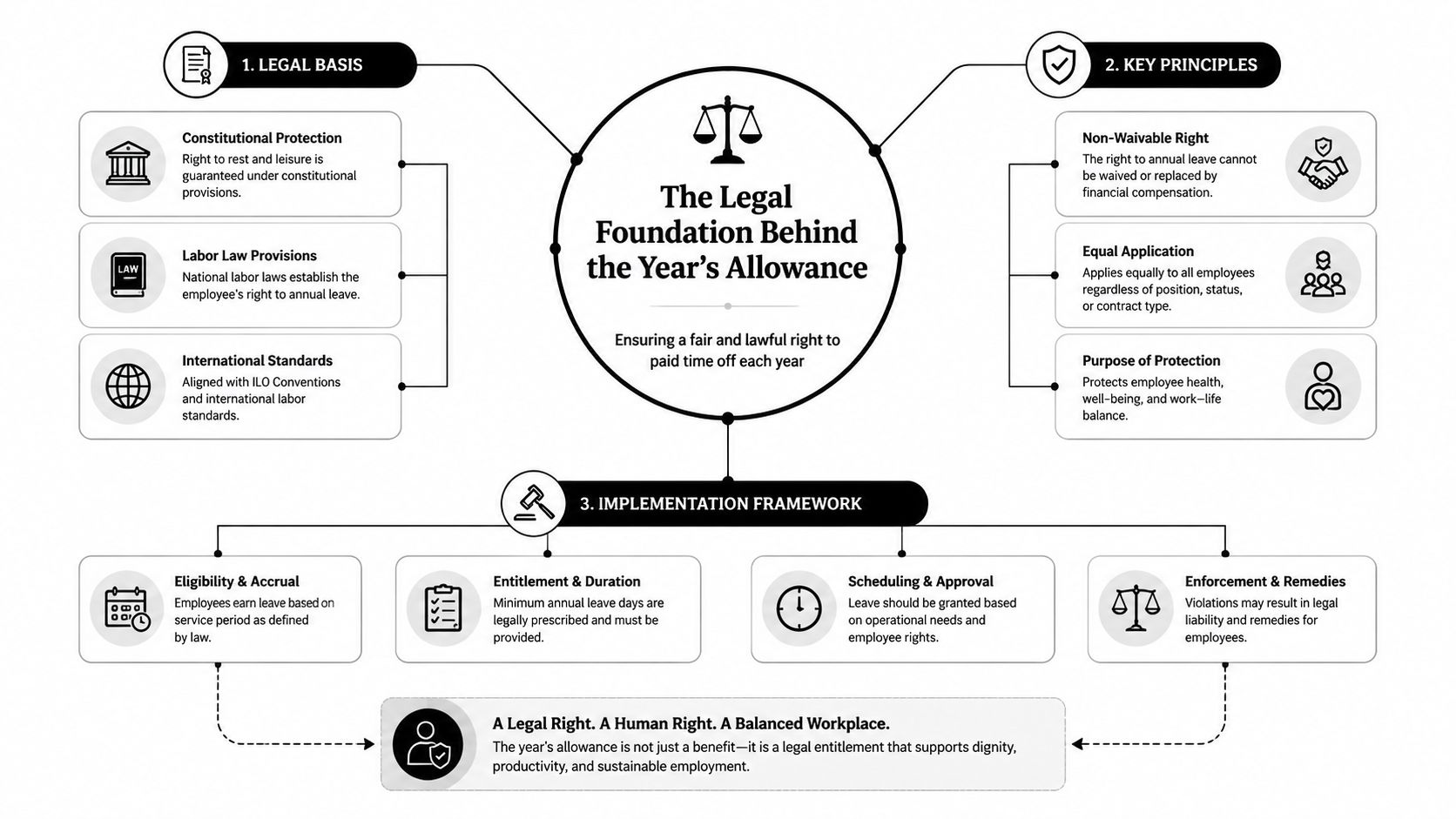
If you remember one thing, make it this. The year's allowance is a support right created by statute, and in North Carolina probate it is treated as a protected claim tied to the spouse's immediate needs.
How the Dollar Amount of the Allowance Is Calculated
The number $60,000 is the current statutory floor for applications filed on or after January 1, 2019. North Carolina's 2019 change marked a major expansion from the earlier lower amounts, and it made the protection much more meaningful for surviving spouses in probate administration.
But the $60,000 figure is not always the final number. North Carolina law can allow more, depending on the decedent's income history. The practical ceiling is generally one-half of the decedent's average annual net income for the three years immediately before death, with net income meaning take-home pay after taxes. That is why a higher-earning spouse can leave behind a larger allowance than the basic statutory floor.
A simple example helps. If the decedent's post-tax income over the prior three years was consistently strong, the spouse's allowance may be calculated above $60,000, so long as the income-based formula supports it. If the prior income was lower, the $60,000 floor may be the controlling amount. The point is that the statute starts with a floor, not a ceiling.
Careful documentation matters. Lawyers usually gather the prior three years of tax returns, pay records, and estate liquidity information early, because those records can show whether the spouse may be entitled to more than the default amount. If the estate is short on ready cash, the timing of that review matters too.
A spouse shouldn't assume the first number mentioned by a relative, banker, or even the clerk is the final answer. The income formula can change the real value of the claim.
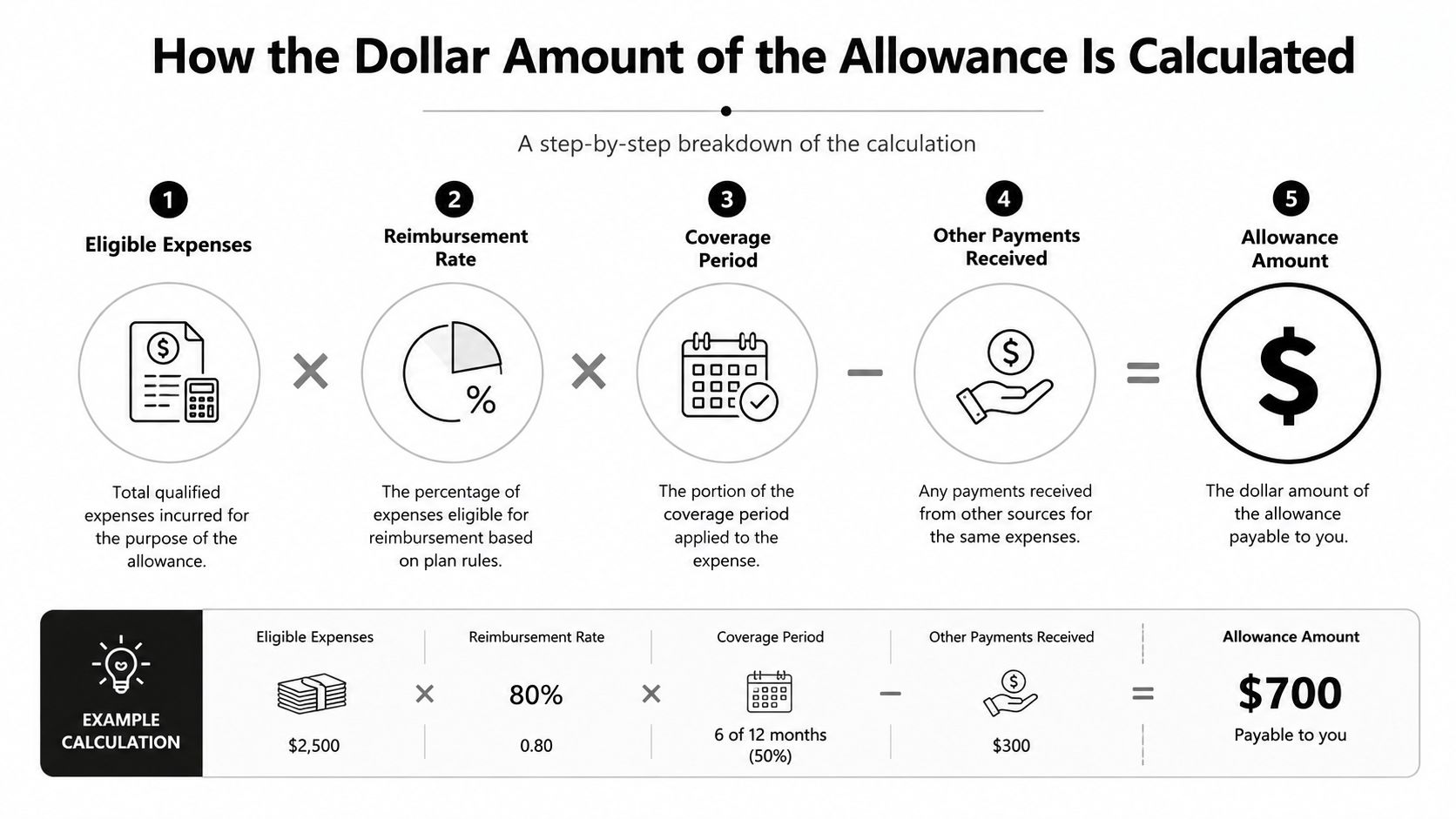
So when people ask about year's allowance surviving spouse nc, the answer is usually not just “$60,000.” It's “$60,000 unless the income-based rule supports more.”
Who Qualifies as a Surviving Spouse in NC
Qualification starts with the decedent's connection to North Carolina and the spouse's own residency. North Carolina court form guidance says the allowance is available when the decedent lived in North Carolina and left a surviving spouse or eligible child, or when the decedent had personal property in North Carolina and the surviving spouse is a North Carolina resident. That gives you two common paths into the claim.
The spouse question often gets tangled up with marital status issues. Separation by itself does not always answer the question, because people sometimes remain legally married even when they are living apart. Divorce, by contrast, usually ends spousal status. Remarriage can also change who counts as the surviving spouse. Those are fact-specific issues, and they need to be checked against the actual marriage history, not family assumptions.
The allowance is a spousal right. It is separate from the child provisions in the same statutory framework, even though the same probate family of rules covers both. That distinction helps avoid a common mix-up where family members think a child's allowance automatically follows the same rules as the spouse's claim.
If you are unsure whether you qualify, the safest approach is to look at three things together, the decedent's residency, the location of personal property, and your marital status at death. That basic checklist solves a lot of confusion before the case reaches the clerk.
If the marriage was intact at death and the estate has North Carolina ties, the surviving spouse should ask about the allowance early rather than wait for someone else to raise it.
Where the Allowance Sits Among Other Estate Claims
The year's allowance has strong priority in North Carolina estate administration. In practical terms, that means it can be paid before many other estate claims, and it is not treated like an ordinary creditor bill that gets in line with unsecured debts. That priority is one reason the allowance often becomes a first-round issue in probate.
It also interacts with the elective share in an important way. In a testate estate, the year's allowance is charged against the surviving spouse's share rather than operating as a separate creditor claim. If the spouse was left out of the will or received less than expected, the allowance and the elective share may both matter. That is why many lawyers look at them together instead of treating them as competing choices.
For a deeper look at that other spousal protection, see spousal elective share in North Carolina estate law. The two rights can work in the same estate, but they are not the same tool. One is a support allowance, the other is a share claim tied to the elective-share rules.
Here is the practical point for grieving families. If the estate has limited assets, priority can determine whether the spouse receives support before distributions go to beneficiaries or payments go to other claims. That is especially important when the family is already arguing about who gets what.
| Estate issue | Why it matters |
|---|---|
| Year's allowance | Supports the spouse first in many cases |
| Elective share | Can change what the spouse takes from the estate |
| Intestate share | Applies when there is no valid will |
| Child-related allowances | Follow separate rules and do not replace the spouse's claim |
The allowance is one piece of a larger estate plan, but it is often the piece that creates immediate benefit for the surviving spouse.
How to File for the Year's Allowance in NC Probate
The usual filing is Form AOC-E-100, and North Carolina court guidance still reflects a $20 filing fee along with supporting papers such as a death certificate and marriage affidavit. Those documents help the clerk verify the relationship and the death before the claim is processed.
Timing changed in 2024. For decedents dying before March 1, 2024, the spouse generally had to apply within one year of the date of death. For decedents dying on or after March 1, 2024, UNC School of Government reports that there is no time limitation for filing a claim, except for limited exceptions. That is a major shift, but it doesn't mean waiting is smart.
The safest practical move is still to file early in the probate process, especially once a personal representative has been appointed. That is when the estate starts moving in a more formal direction, and that is also when delays can start affecting what assets are still available.
A few documents usually come into play together:
- Death certificate, to confirm the decedent's death.
- Marriage affidavit, to confirm the spouse relationship.
- Form AOC-E-100, to make the actual claim.
- Basic estate information, so the clerk can place the filing in the right case.
For a fuller overview of estate administration steps, the North Carolina probate process gives useful context for how this filing fits into the larger case.
Filing the claim is often straightforward. The bigger issue is making sure it gets filed in the right estate and at the right time, with the right supporting documents.
Common Mistakes Surviving Spouses Make in NC
One mistake is waiting too long under the older rule. A spouse may assume the claim can be filed whenever the family gets around to it, but that was not true before the March 2024 update. In older estates, the one-year window could run out while everyone focused on grief, the funeral, and basic household logistics.
Another mistake is stopping at the $60,000 figure without checking whether the income-based formula supports more. A spouse may hear the floor amount from a friend and accept it as final, even though the law can allow a larger award when the decedent's prior net income justifies it. That can leave money unclaimed.
The third mistake is treating the allowance like a regular debt negotiation. It is not. The allowance has statutory priority, so it should not be approached like a bill that a creditor can casually discount. That misunderstanding can lead to bad advice from people who do not work in probate every day.
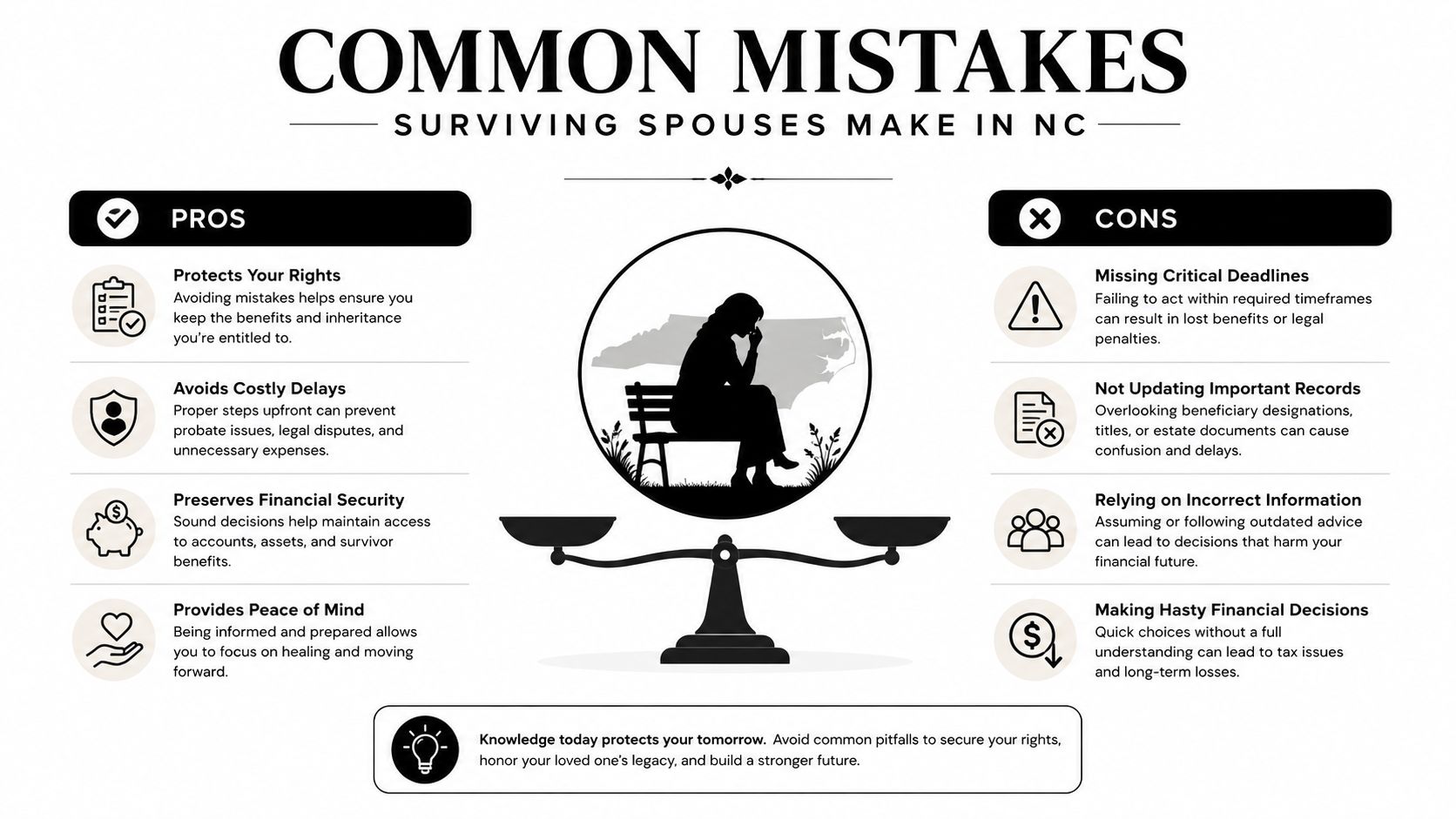
A widow who left the claim sitting while other heirs divided up the estate may still have options, but the cleaner path is to raise the issue early and document the estate properly. That protects the claim before assets disappear into other distributions.
Answers to Common NC Questions and How to Move Forward
Can the allowance be claimed against real estate? No, the statute ties it to personal property, so the house itself is not the source of the allowance. Does a small estate affidavit replace the probate claim? No, it is a different procedure, and the year's allowance still needs to be handled through the estate process when it applies. Can a separated spouse qualify? Sometimes, but the answer depends on whether the marriage legally existed at death and on the other eligibility facts.
The main lesson is that this is a North Carolina probate right with moving parts, not a one-line rule. If you are trying to decide whether to file, or whether the amount should be higher than the base number, the facts matter more than the guesswork.
If you're in North Carolina and you've lost a spouse, the next step is a calm review of the estate paperwork, the date of death, the asset list, and your marital status at the time of death. That review usually shows quickly whether the claim should move forward.
If you're dealing with a surviving spouse allowance issue in North Carolina, the Law Office of Bryan Fagan can help you review the probate papers, evaluate the allowance, and decide whether the elective share or other estate claims also belong on the table. Visit Law Office of Bryan Fagan to schedule a consultation and get clear guidance on your next step.