Navigating a child custody case in North Carolina can feel overwhelming, as if your entire world is on the line. At the heart of every decision a North Carolina judge makes is a single guiding principle: the "best interests of the child." Your primary focus is, and should be, protecting your relationship with your child. Understanding the legal landscape and how an experienced child custody lawyer can help is the first step toward securing that future.
Your First Steps in a North Carolina Custody Case

First, it’s important to understand that North Carolina courts do not enter a custody case with a predetermined outcome. A common misconception is that judges have a default setting—such as an automatic 50/50 split or a bias toward one parent. This is not how North Carolina law works. Instead, a judge is legally required to examine your family's unique circumstances to craft a custody arrangement that truly serves your child’s well-being.
For example, a judge won't assume a 50/50 schedule is best if one parent travels extensively for work and cannot provide consistent daily care. Every detail matters.
Why a Lawyer Is Your Most Important Ally
This is precisely why an experienced child custody lawyer becomes your most critical partner. Their role is not just to argue in a courtroom; they are your strategist, negotiator, and guide through the complexities of North Carolina’s family law system.
A skilled attorney helps you translate the "best interests of the child" standard, as outlined in North Carolina statutes, into practical, actionable steps. Under North Carolina General Statute § 50-13.2, a judge weighs many factors, including:
- Each parent's ability to provide a safe, stable, and loving home environment.
- The child's developmental needs and the strength of their bond with each parent.
- Any history of domestic violence, substance abuse, or other conduct that could impact the child's safety.
- Each parent's willingness to co-parent effectively and foster the child's relationship with the other parent.
Your lawyer’s primary job is to build a compelling case that highlights your strengths as a parent in light of these factors. This groundwork is crucial from day one, especially since most cases are settled long before they reach a trial.
A key reality of North Carolina family law is that courts do not start with a presumption for or against 50/50 custody, sole custody, or primary custody. Because every case is evaluated on its own merits, sharp negotiation skills are absolutely essential—particularly since nearly 90% of custody cases are resolved without a trial.
This statistic underscores why your attorney’s skill in the negotiation room is just as vital as their presence in the courtroom. They are there to protect your parental rights during settlement talks, mediation, and every other pre-trial step. By securing skilled legal counsel early, you position yourself for a stable, favorable outcome that protects both your child's future and your central role in it. For urgent matters, you may need to learn more about how to get temporary custody in our article.
Understanding North Carolina Child Custody Laws

To protect your parental rights, you must first understand the core concepts that shape every custody decision in North Carolina. The legal framework is built on two key types of custody that define how parents share their rights and responsibilities: legal custody and physical custody. Grasping these concepts is the first step toward building an effective legal strategy.
Legal Custody: The Right to Make Major Decisions
Legal custody is about decision-making authority. As defined by North Carolina General Statute § 50-13.2, it grants a parent the right to weigh in on significant, life-shaping choices for their child. This doesn't concern daily routines like bedtime or what’s for dinner—it's about the big picture.
These crucial decisions include:
- Education: Where your child attends school.
- Healthcare: Which doctors they see and what significant medical treatments they receive.
- Religious Upbringing: Guiding their spiritual or moral life.
In North Carolina, joint legal custody is very common, requiring parents to make these major decisions together. If you can’t agree, you may have to return to court to let a judge decide. This is why having a clear communication plan, often outlined in your custody order, is so important.
Physical Custody: Where Your Child Lives
Physical custody determines where your child lives and the day-to-day schedule. It’s the practical arrangement of who the child is with and when.
A court can award one parent primary physical custody, meaning the child lives with them most of the time, while the other parent has a set visitation schedule. Alternatively, a judge can order joint physical custody, where the child divides their time more evenly between both parents' homes.
There’s a common myth that one parent "wins" and the other "loses" physical custody. In reality, the court’s goal is to create a predictable, stable schedule that prioritizes the child’s needs. You can discover more about primary physical custody and what it entails in our comprehensive guide.
A detailed parenting schedule is one of the most critical documents you and your lawyer will create, outlining everything from school nights and weekends to holidays, birthdays, and summer vacations.
Legal vs. Physical Custody in North Carolina
This table highlights the core differences, helping you understand the distinct rights and responsibilities associated with each.
| Aspect | Legal Custody (N.C.G.S. § 50-13.2) | Physical Custody (N.C.G.S. § 50-13.2) |
|---|---|---|
| Primary Focus | Decision-Making Authority | Living Arrangements & Schedule |
| Responsibilities | Making choices about education, non-emergency healthcare, and religious upbringing. | Providing daily care, housing, food, and supervision for the child. |
| Common Arrangements | Joint Legal Custody is most common, requiring parents to cooperate. Sole Legal Custody is rare and typically reserved for cases involving domestic violence or severe parental unfitness. | Primary/Secondary (one parent has more time) or Joint (near-equal time) schedules are established based on the child's best interests. |
| Real-World Example | Deciding together whether a child should attend public or private school. | Determining that the child stays with Parent A on school nights and with Parent B every other weekend. |
The Guiding Principle: "Best Interests of the Child"
So, how does a judge actually make these decisions? Every choice is filtered through a single, powerful standard: the "best interests of the child." This is not a simple checklist but a holistic evaluation of your family's unique situation.
Under North Carolina law, a judge is required to weigh all relevant factors to determine the custody arrangement that will “best promote the interest and welfare of the child.”
A judge will carefully examine factors like:
- Each parent's living situation and ability to provide a stable home.
- The physical, mental, and emotional health of each parent.
- The child's existing bonds with each parent and their adjustment to home, school, and community.
- Any history of domestic violence, substance abuse, or neglect.
- Each parent's willingness to support the child's relationship with the other parent.
It’s crucial to know that North Carolina's laws can sometimes present unexpected challenges. The National Parents Organization gave the state a 'D' grade on its Shared Parenting Report Card, partly because the statutes don't always make it easy for parents who want a truly balanced, 50/50 arrangement. This reality highlights just how important it is to have an experienced NC child custody lawyer who can build a strategic case designed to navigate these complexities and protect your parental rights.
How a Lawyer Protects Your Parental Rights
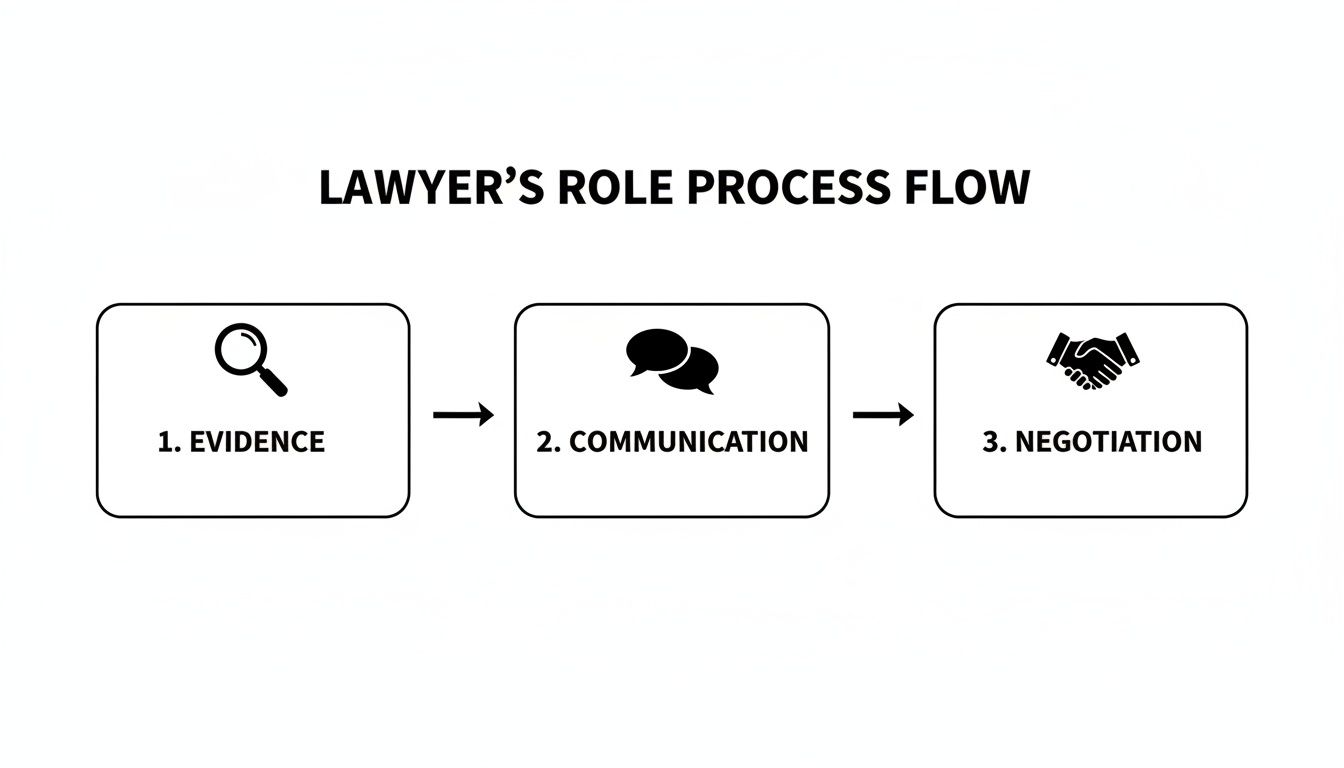
Knowing the law is one thing; using it to protect your family is another. When you hire a child custody lawyer in NC, you are getting more than just legal advice—you are getting a strategist, an advocate, and a shield dedicated to defending your parental rights. Their work goes far beyond filing paperwork; they take decisive action to build your case and protect you from the immense stress of a custody dispute.
Building Your Case with Critical Evidence
To show you are a fit and loving parent, your attorney will gather and organize key evidence. It's not about what you say you do as a parent; it's about what you can prove.
Your lawyer will strategically assemble documents and testimony that paint a complete picture of your role in your child's life. This often includes:
- School and Medical Records: These documents provide concrete proof of your involvement. They can show you’re the parent who attends teacher conferences, manages doctor’s appointments, and stays on top of your child’s health and education.
- Communications: Texts, emails, and co-parenting app messages can be powerful tools to demonstrate your willingness to communicate respectfully and co-parent effectively. Conversely, they can expose a difficult or uncooperative co-parent.
- Witness Statements: Testimony from teachers, coaches, neighbors, or family friends can provide an objective, third-party perspective on your parenting skills and the bond you share with your child.
This process transforms your assertions into a solid, evidence-based case. It demonstrates to a judge or mediator that your commitment to your child is real, documented, and undeniable.
Acting as Your Professional Buffer
One of the most valuable roles a child custody lawyer nc plays is acting as a professional buffer between you and the other parent. Emotions run high in these cases. Direct communication can quickly become hostile and unproductive, sometimes even harming your case.
Your attorney steps in to handle all legal communication. This gives you relief from the constant stress and prevents you from saying something in a heated moment that could be used against you later.
In a custody dispute, every word matters. Having a lawyer handle communications ensures that every exchange is professional, strategic, and aligned with your legal goals. It protects both your case and your peace of mind.
This professional distance is especially crucial when facing unfair allegations.
Defending You Against False Accusations
Imagine the other parent falsely accuses you of neglect because you work long hours. If you were on your own, you might feel overwhelmed and unsure how to fight back.
A skilled lawyer, however, approaches this methodically:
- Gather Counter-Evidence: They would collect your timesheets, get statements from your child’s daycare providers, and find witnesses to show you have reliable childcare and maintain a healthy work-life balance.
- Highlight Your Involvement: Next, they would present evidence of your consistent engagement—photos from school events, proof you coach your child’s team, or records of nightly video calls when you travel. This directly refutes the "neglect" narrative.
- Challenge the Accusation: In depositions or in court, your lawyer would cross-examine the other parent, pointing out inconsistencies in their story and questioning their motives for making the claim in the first place.
This proactive defense does more than shut down one false claim. It strengthens your overall position as a dedicated, capable parent and proves that attacks on your character are baseless. Ultimately, your lawyer is always working on two tracks: preparing for a fair settlement while simultaneously getting ready for trial. They are tough negotiators who aim for agreement but are always prepared to be fierce litigators in the courtroom if that’s what it takes to protect your child and your rights.
The North Carolina Child Custody Process Step-by-Step

Knowing what to expect can make a world of difference in a custody case, replacing anxiety with a sense of control. The legal process in North Carolina follows a structured path, and understanding this roadmap will give you the confidence to move forward. Each step is designed to bring your case closer to a stable resolution for your family.
The journey officially begins when one parent files a formal Complaint for Custody. This is the legal document filed with the court and served on the other parent. It outlines what the filing parent is requesting and why, setting the entire legal process in motion.
The First Steps: Filing and Mediation
Once a Complaint is filed, most counties in North Carolina require you and the other parent to attend mandatory custody mediation. This is a critical and often highly productive step. It is a confidential meeting led by a neutral mediator whose sole job is to help you find common ground.
The primary goal is to create your own Parenting Agreement. This is a document you and the other parent build together, covering everything from the regular weekly schedule to holidays and summer vacations. If you reach a full agreement, a judge can sign it, turning it into a legally binding court order. This often means your case is resolved without ever stepping into a courtroom for a trial.
Your child custody lawyer's guidance here is invaluable. While attorneys do not attend the mediation session itself in North Carolina, we will:
- Prepare you thoroughly: We'll explain what to expect, help you clarify your goals, and discuss potential compromises.
- Review any agreement: Before you sign anything, we will review the proposed Parenting Agreement to ensure it protects your rights and is legally sound.
- Advise on next steps: If you cannot reach an agreement, we will be ready to move your case into the next phase of litigation.
Successful mediation can save you an immense amount of time, money, and emotional strain.
Evidence Gathering and Temporary Orders
If mediation doesn’t lead to a full agreement, your case enters the discovery phase. This is the formal legal process where each side gathers facts and evidence from the other.
During discovery, your lawyer will use several tools to build a strong case, such as:
- Interrogatories: Written questions that the other parent must answer under oath.
- Requests for Production of Documents: Formal requests for important records like financial statements, text messages, or school and medical records.
- Depositions: Out-of-court testimony where your lawyer questions the other parent or key witnesses under oath, with a court reporter present.
Life doesn't pause while discovery is happening. If you need a custody schedule in place immediately, your attorney can file a motion for a temporary custody hearing. At this hearing, a judge listens to limited evidence and makes a short-term ruling to provide stability for your child while the case moves forward.
A temporary order isn't the final word. It’s a placeholder designed to create structure and predictability for your child until a final agreement is reached or a full trial can be held. These orders can often set the tone for the rest of the case.
The Final Stages: Settlement or Trial
The final stage of the process is reaching a settlement or, if necessary, going to trial. The vast majority of North Carolina custody cases settle before a trial is needed. A settlement can be reached at any point—sometimes even on the courthouse steps—when both parents, guided by their lawyers, find a resolution.
If a middle ground cannot be found, your case will proceed to a custody trial. This is a formal court proceeding where both sides present evidence, call witnesses, and make legal arguments before a judge. After hearing everything, the judge will issue a final decision based on the "best interests of the child" standard. That decision becomes a permanent, legally binding custody order. A trial is the last resort, but it’s a possibility your lawyer has been preparing for from day one.
The Financial Investment in Your Child's Future
Cost is a primary concern for parents facing a custody case. We want to be transparent about the finances involved in hiring a North Carolina child custody lawyer, helping you see it not just as an expense, but as a critical investment in your child’s stable future. In North Carolina, most family law attorneys work with two main fee structures.
Understanding Retainers and Hourly Rates
Typically, you will pay a retainer. Think of this as a down payment for your legal representation. It’s an upfront fee that your lawyer holds for you in a special trust account. As your attorney works on your case—making phone calls, drafting documents, or appearing in court—they bill their time against this fund.
Most law firms bill for their time at an hourly rate. This rate reflects the attorney's experience, the complexity of your case, and the firm’s resources. Every action taken on your behalf is tracked carefully, ensuring you are only billed for the actual work performed. You’ll receive regular invoices showing exactly how your retainer is being used.
What to Expect for Costs in North Carolina
While every family's situation is different, we can provide a realistic financial picture based on typical costs in North Carolina.
In North Carolina, hourly rates for child custody attorneys generally range from $100 to $350 per hour, with initial retainer fees often falling between $3,000 and $5,000. This investment directly impacts results. Research shows that when both parents have attorneys, joint physical custody is achieved at the highest rate—82% of the time. That's a big jump from the roughly 70% rate when only one or neither parent has a lawyer, as detailed in recent findings about family lawyer costs in North Carolina.
These numbers reveal something important: professional representation isn’t just about having someone handle paperwork. It's about leveling the playing field and working toward a balanced, fair outcome that truly benefits your child for years to come.
Why Skilled Representation Is a Smart Investment
It may seem counterintuitive, but hiring an experienced child custody lawyer NC can often save you money in the long run. A skilled attorney is a sharp negotiator focused on reaching a fair, durable agreement outside of court.
This approach helps you avoid major financial traps:
- Costly Courtroom Battles: A trial is by far the most expensive part of any legal dispute. An effective lawyer works to resolve your case through mediation or negotiation, steering clear of the high costs of litigation.
- Unfair Financial Burdens: Your lawyer will fight for an accurate child support calculation and protect you from agreeing to a custody schedule that creates an unsustainable financial strain.
- Future Legal Fees: A vague or poorly drafted custody order is a recipe for future conflict. A precise, detailed agreement drafted by a professional minimizes the chance you’ll need to go back to court later to resolve disputes.
Ultimately, the money you invest in legal representation is about securing value that extends far beyond the final invoice. It's an investment in stability, peace of mind, and a positive future for you and your child.
How to Choose the Right NC Lawyer for Your Family
Choosing a legal advocate is the single most important decision you’ll make in your North Carolina child custody case. This isn’t just about hiring someone with a law degree; it’s about finding a strategic partner who understands your family’s unique dynamics and has the skill to protect your relationship with your child. Your choice of a **child custody lawyer NC** will define every step of your legal journey.Must-Have Qualities in a North Carolina Custody Attorney
Not all lawyers are created equal, especially in the specialized field of North Carolina family law. As you search, look for these non-negotiable qualities:
- Exclusive Focus on NC Family Law: Family law in North Carolina is complex and constantly evolving. You need an attorney who lives and breathes this area of law, not a general practitioner who occasionally handles custody cases. Their deep knowledge of local judges, opposing counsel, and court procedures is a powerful advantage.
- A Proven Track Record in Negotiation and Litigation: Since most cases settle out of court, strong negotiating skills are essential. But you also need an attorney who is a formidable presence in the courtroom if a trial becomes unavoidable. Look for a lawyer with a history of success in both arenas.
- Clear and Empathetic Communication: Your lawyer must be able to explain complex legal concepts in plain English. They should listen to your concerns, answer your questions patiently, and keep you informed. A lawyer who communicates with both clarity and compassion will reduce your stress and build your confidence.
Key Questions to Ask Potential Lawyers
The initial consultation is your opportunity to interview potential attorneys. Go in prepared with a list of critical questions to evaluate their expertise, strategic thinking, and communication style.
The initial consultation is more than just a meeting; it's an audition. You are hiring for one of the most important roles in your life. Ask tough questions and trust your instincts.
Here is a checklist of questions to help you find the right fit:
- Based on what I've shared, what is your preliminary strategy for a case like mine? Their answer will reveal their strategic abilities and experience with similar situations.
- Who on your team will I communicate with regularly? Understanding the firm's structure is key. Will you speak directly with the attorney, a paralegal, or someone else? This sets clear communication expectations.
- How do you prepare clients for mediation and court? Their response will show you how they support clients through each stage of the process.
- What are the potential costs, and how are fees billed? A transparent lawyer will provide a clear explanation of their retainer, hourly rates, and what factors might influence the total cost, while ethically avoiding any guarantee of a specific outcome.
This detailed inquiry helps you find more than just an attorney; it helps you find a true partner for your case. For related family law matters, our guide on choosing a North Carolina divorce lawyer offers additional valuable insights.
Frequently Asked Questions About NC Child Custody
When facing a custody battle, you need clear answers, not legal jargon. Here are answers to some of the most common questions we hear from parents across North Carolina.
At what age can a child choose who to live with in NC?
This is a common misconception. In North Carolina, there is no specific age at which a child can definitively choose where they live. However, under N.C.G.S. § 50-13.2(a), a judge must consider the wishes of a child who is mature enough to express a reasoned preference. As a child gets older, their opinion naturally carries more weight, but it is just one of many factors in the "best interests" analysis—it is never the sole deciding factor.
Can I get 50/50 custody in North Carolina?
Yes, 50/50 custody, often called joint physical custody, is possible in North Carolina, but it is not automatic or presumed to be in the child's best interest. A judge will only order a 50/50 schedule if the evidence shows it is best for the child. Factors like the parents' ability to co-parent, their proximity to each other, and the child's age and needs will all be considered. An experienced attorney can help you build a case demonstrating that a 50/50 arrangement serves your child’s best interests.
What makes a parenting agreement legally enforceable in NC?
A simple verbal or written agreement between parents is not legally enforceable. If one parent violates it, the other has no legal recourse. For a parenting agreement to be binding in North Carolina, it must be formalized as a Consent Order and signed by a judge. A child custody lawyer NC is essential for this process. They will draft the agreement with precise, unambiguous language and ensure it's filed correctly, making it a court order that can be enforced if violated.
Can I move out of state with my child during a custody case?
Moving out of North Carolina with your child while a custody case is pending is extremely risky and is strongly advised against. Once a custody lawsuit is filed, you need either the other parent's clear, written consent or a specific court order permitting the relocation. A unilateral move can severely damage your case. A judge can order the immediate return of the child and may view your actions as uncooperative, which can negatively impact the final custody decision. Always consult your attorney before planning any potential move.
Secure Your Child’s Future with a Dedicated NC Custody Lawyer
Navigating the North Carolina child custody process requires more than just legal knowledge—it demands a strategic partner dedicated to protecting your family's future. The laws are complex, and the stakes are deeply personal. You do not have to face this challenge alone.
The team at the Law Office of Bryan Fagan is committed to providing residents across North Carolina with the experienced, empathetic, and effective representation you deserve. We understand what you are going through and are ready to fight for a positive outcome for you and your child. To discuss your case with a lawyer who will listen and help you understand your options, schedule your consultation with us today.